Peter Obi faults revised Tax Laws, warns of deeper hardship and public distrust
 admin
Jan 14, 2026 04:14
160
0
admin
Jan 14, 2026 04:14
160
0

By Johnson Arua
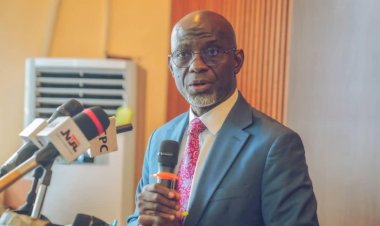
Former Governor of Anambra State and presidential candidate of the Labour Party, Mr. Peter Obi, has criticised Nigeria’s revised tax laws, warning that both the process and substance of the reforms could deepen public distrust and worsen economic hardship for already burdened citizens.
Obi raised the concerns on Tuesday night in a statement reacting to findings by global accounting firm, KPMG, which reportedly identified 31 critical problem areas in the tax laws.
The issues, according to the firm, range from drafting errors and policy contradictions to administrative gaps.
He said the revelations underscored the urgent need for the Federal Government to halt the implementation of the tax reforms, conduct a thorough review, and clearly explain their implications to Nigerians.
According to Obi, the credibility of the new tax framework has been called into question, especially given the manner in which the flaws were uncovered.
“It is now undeniable that the tax laws have been fundamentally altered, and even a firm as esteemed as KPMG has pinpointed 31 critical problem areas, from drafting errors to glaring policy contradictions and administrative gaps,” Obi said.
He expressed concern that it reportedly took private engagements between the National Revenue Service and KPMG for the issues to be acknowledged, describing the development as troubling.
“Even more alarming is the fact that it took private meetings between the National Revenue Service and KPMG for these serious issues to be acknowledged. If experts require closed-door discussions to navigate the complexities of our tax laws, what hope does the average Nigerian have of comprehending the obligations being imposed on them?” he asked.
Obi stressed that taxation goes beyond fiscal policy, describing it as a social contract that must be based on trust and understanding between the government and citizens.
“Taxation transcends mere fiscal policy; it represents a social contract between the government and its citizens. You cannot enforce a social contract that isn’t understood or trusted,” he said.
Drawing comparisons with global best practices, Obi noted that tax reforms in other countries are often justified by the delivery of visible public benefits such as improved healthcare, quality education, job creation, infrastructure development and functional social safety nets.
“In Nigeria, the narrative is all about how much more the government seeks to extract, rather than what it is prepared to offer in return. A tax system devoid of clear public benefits isn’t reform; it is, quite frankly, extortion,” he stated.
He further lamented the absence of broad public consultations before the finalisation of the tax laws, saying this has left many Nigerians confused about both the regulations and the benefits attached to the taxes they are expected to pay.
Obi also linked the proposed tax regime to the worsening economic conditions in the country, noting that Nigerians are yet to experience relief following the removal of fuel subsidies.
“Even after the removal of subsidies, Nigerians remain in limbo, waiting for tangible benefits or relief. Instead, they are grappling with skyrocketing food prices, exorbitant transport costs, dwindling purchasing power, and escalating poverty levels,” he said.
He warned that introducing an expansive tax regime amid such challenges, especially one flagged with multiple inconsistencies, was irresponsible.
“Before we have even begun to address these issues, we are being thrust into an expansive new tax regime, riddled with inconsistencies and producing 31 alarming red flags from a leading global accounting firm. This is not the hallmark of responsible governance,” Obi added.
The former governor concluded by urging the government to prioritise transparency, communication and consensus-building, warning that taxation without trust and clarity would only fuel public resentment.
“Without trust, taxation feels like punishment. Without clarity, it breeds confusion. Without evident public value, it amounts to robbery. Nigeria cannot afford to place further burdens on its already struggling citizens,” he said.