Lassa Fever: UNICEF deploys hygiene kits to protect IDPs in Benue
 admin
Apr 8, 2026 05:08
96
0
admin
Apr 8, 2026 05:08
96
0
By Johnson Arua
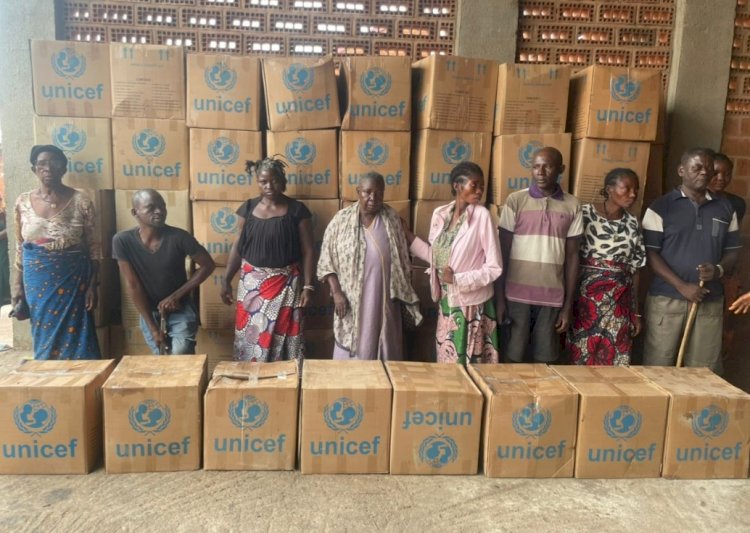
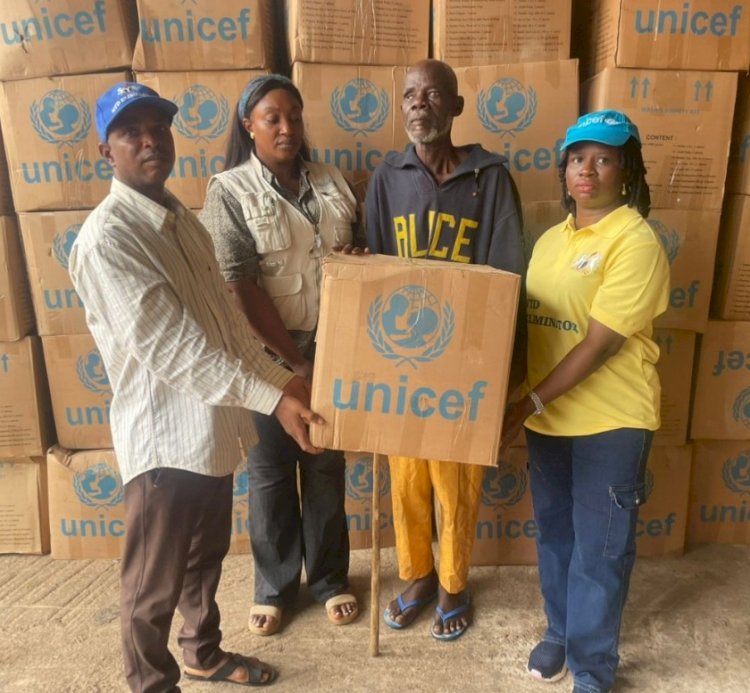
In response to the growing threat of Lassa fever in Benue State, the United Nations Children’s Fund (UNICEF) has distributed 900 WASH dignity kits to households in nine internally displaced persons (IDP) camps as part of urgent measures to curb the spread of the disease.
The distribution exercise took place on Wednesday at the Makurdi International Market IDP camp, home to survivors of the Yelewata attack, with a focus on densely populated areas considered highly vulnerable to infection.
UNICEF’s Chief of Field Office in Enugu, Mrs. Juliet Chiluwe, said the intervention goes beyond relief, describing it as a critical public health response aimed at halting transmission.
“We are scaling up infection prevention measures by introducing contactless handwashing stations across the camps.
This reduces the risk of cross-contamination and supports safer hygiene practices,” she said.
Chiluwe noted that the kits, which include water storage containers and basic hygiene materials, are essential in helping families maintain cleanliness and limit exposure to disease-carrying rodents.
“Hygiene remains the first line of defence against Lassa fever. These supplies are not just for comfort—they are essential tools for survival, especially for children who are most at risk,” she added.
She further explained that UNICEF is working in collaboration with state authorities to integrate supply distribution with awareness campaigns and community engagement to effectively manage the outbreak.
The Acting General Manager of the Benue State Rural Water Supply and Sanitation Agency (BERWASSA), Tony Mkpen represented by Mr. Matthew Nyamve, Desk Officer for WASH in Emergency Technical Working Group, commended UNICEF’s timely intervention.
According to him, previous collaboration between BERWASSA and UNICEF had resulted in the distribution of over 3,500 WASH kits to vulnerable groups across the state during earlier outbreaks.
“UNICEF has remained a reliable partner in times of need. Their continued support has helped us reach displaced and vulnerable populations with essential supplies,” he said.
“We are committed to ensuring that these materials are delivered to the right beneficiaries to help reduce the impact of the outbreak,” he added.
Some beneficiaries expressed appreciation for the support, describing it as a relief amid difficult living conditions.
Eunice Nyiyongo, a beneficiary living with disability, said the items would help her meet other pressing needs.
Another recipient, Mbasalm Ayila, assured that the items would be used effectively. “This support means a lot to me. It will allow me to save money for other necessities. I am grateful to UNICEF for always remembering us,” she said.
The distributed kits contain items such as bathing soap, detergent, towels, reusable sanitary pads, underwear, petroleum jelly, toothbrushes, and kettles, aimed at promoting proper hygiene and improving living conditions in the camps.