#EndSARS: CAPPA demands apology, prosecution of officers six years after Lekki shootings
 admin
Oct 19, 2026 09:12
0
0
By James Ike
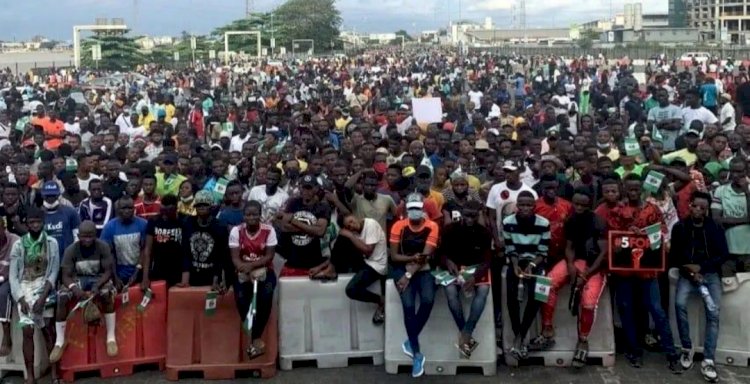
Corporate Accountability and Public Participation Africa (CAPPA) has called on the Federal and Lagos State Governments to tender an unreserved public apology for the October 20, 2020, Lekki Toll Gate shootings and provide comprehensive reparations to victims of the nationwide #EndSARS protests.
The organisation, which made the demand ahead of the sixth anniversary of the incident, also called for full official acknowledgement of the killings, injuries and other human rights violations recorded during the protests, insisting that justice must be served through independent investigations, criminal prosecutions and far-reaching police reforms.
In a statement signed by its Media and Communications Officer, Robert Egbe, CAPPA urged political parties and aspirants contesting the 2027 general elections to make justice for #EndSARS victims and the reform of Nigeria's policing system central to their political platforms.
The organisation described the tragedy of #EndSARS as a painful irony, noting that a peaceful movement organised to resist police brutality was violently suppressed by the same state institutions protesters wanted reformed.
The protests began as a nationwide campaign against systemic police abuses, particularly those associated with the now-disbanded Special Anti-Robbery Squad (SARS). Public anger intensified on October 3, 2020, after a viral video allegedly showed SARS operatives shooting a young man outside Wetland Hotel in Ughelli, Delta State, before driving away in his car.
The footage triggered widespread outrage, moving the campaign from social media to the streets and transforming it into a national demand for accountability, respect for human rights and an end to police brutality.
Speaking on the anniversary, CAPPA's Assistant Executive Director, Zikora Ibeh, said the government's response to peaceful demonstrations had compounded the suffering of victims through continued denial and resistance to accountability.
She maintained that an unreserved apology must begin with the government's acceptance of responsibility, acknowledgement of the violations committed and prosecution of those found culpable.
CAPPA recalled that the Lagos State Judicial Panel of Inquiry, in its 309-page report, described the Lekki incident as a “massacre in context” and implicated the Nigerian Army and police in the deaths and serious injuries suffered by protesters.
The organisation criticised the Federal Government for dismissing the panel's findings and faulted the Lagos State Government's White Paper for disputing casualty records, arguing that the authorities had failed to adequately address the allegations and provide justice for victims.
It also cited the July 2024 judgment of the ECOWAS Community Court of Justice, which found Nigeria liable for violating protesters' rights to freedom of expression, assembly and association, as well as freedom from torture.
According to CAPPA, the regional court ordered financial compensation for victims and fresh, independent investigations into the violations.
The organisation therefore demanded the full implementation of the judgment and the publication of a transparent report detailing the government's compliance with the court's directives.
CAPPA further called for justice in the death of 20-year-old journalist Pelumi Onifade, who was reportedly attacked and arrested by personnel of the Lagos State Task Force on October 24, 2020, while covering protest-related events at the Ministry of Agriculture Abattoir complex in Oko-Oba, Agege, Lagos.
The group said Onifade had, four days earlier, filmed political figure Abiodun Bolarinwa allegedly firing live rounds at unarmed protesters in the Abule Egba area of Lagos.
It stated that an official post-mortem examination established that the journalist died from a fatal gunshot wound to his lower torso, but alleged that the finding, documented in late 2020, was not formally presented until proceedings before a coroner's court in 2026.
CAPPA demanded the conclusion of criminal proceedings and the immediate prosecution of the Task Force personnel and commanding officers allegedly responsible for his death.
The organisation also highlighted its investigative publication, Lies and the Hail of Bullets: #EndSARS—The Story of Lekki Shootings by Survivors, which documented survivors' accounts of the incident and the physical, emotional and economic consequences of the crackdown.
It said continued official denial and alleged intimidation had deepened young people's distrust of government, with some participants reportedly forced into hiding or self-exile, while survivors continued to grapple with physical injuries and psychological trauma without adequate state support.
Warning that the circumstances that triggered #EndSARS remained largely unresolved, CAPPA pointed to the August 2024 #EndBadGovernance protests, during which citizens, including minors, demonstrated against economic hardship and governance failures.
According to the organisation, security forces responded with tear gas, arbitrary arrests and lethal force, resulting in at least 24 deaths documented across the country.
Ibeh warned that when government policies worsen citizens' hardship and security agencies attack those who protest against their conditions, people are denied both the means to live decently and the freedom to demand better governance.
She stressed that peaceful protest and freedom of expression remained essential democratic instruments for challenging entrenched power, adding that no government could claim democratic legitimacy by intimidating citizens into silence.
CAPPA also raised concerns over alleged abuses at Tiger Base, the Anti-Kidnapping Unit of the Imo State Police Command in Owerri, including torture, extrajudicial killings, extortion and prolonged arbitrary detention.
The organisation described the allegations as evidence of the persistent culture of police violence and impunity in the country.
On proposals to establish state police as part of efforts to address Nigeria's worsening insecurity, CAPPA warned that decentralising policing without first addressing impunity could reproduce existing abuses at the state level.
It argued that meaningful reform required political commitment to redefining the role of law enforcement, regulating the use of force and ensuring swift criminal consequences for officers who violate citizens' rights.
As part of its recommendations, the organisation called for a transparent national programme of acknowledgement, justice and reparations for #EndSARS victims, developed in consultation with affected families, survivors, human rights and media-rights groups, civil society organisations and the National Human Rights Commission.
The programme, it said, should include the prosecution of implicated officers, payment of outstanding compensation and sustained medical and psychological rehabilitation for survivors.
CAPPA also urged the authorities to discontinue all outstanding charges against individuals prosecuted solely for participating in peaceful protests, including the #EndBadGovernance demonstrations.
It further called for the formal designation of the Lekki Toll Gate as a national historic memorial site to preserve the memory of the incident and honour those affected.
To strengthen police accountability, the organisation advocated mandatory body-worn cameras for frontline police officers, with secure storage systems and independent oversight to ensure that recordings remain available for lawful investigations.
It also demanded penalties for the deliberate deactivation or tampering with camera footage, alongside prompt and transparent investigations into allegations of misconduct and the prosecution of security personnel found culpable.
CAPPA maintained that six years after the Lekki shootings, Nigeria must move beyond official statements and disputed casualty figures to deliver justice, compensation and reforms capable of preventing a recurrence of the violence.