Operation Absolute Resolve: Blow by blow account of how US forces stormed Caracas and whisked away Venezuela’s President
 admin
Jan 4, 2026 10:06
80
0
admin
Jan 4, 2026 10:06
80
0
By Johnson Arua
United States special forces have reportedly detained Venezuelan President Nicolás Maduro following a high-intensity overnight raid on a fortified military compound in Caracas, in an operation US officials described as swift, coordinated and “executed within seconds.”
The operation, codenamed Operation Absolute Resolve, unfolded in the early hours of Saturday under the cover of darkness, involving a large-scale deployment of air, naval and special operations assets, according to senior US military and intelligence officials.
Speaking at a press briefing, Chairman of the Joint Chiefs of Staff, General Dan Caine, said the mission was the result of “months of interagency planning and decades of experience integrating complex air, ground, maritime and space operations.”
“Our objective was clear: neutralise air defences, secure the target, and extract without civilian harm,” Caine said. “The operation achieved those objectives.”
Airstrikes and electronic warfare
Between midnight and 1:00 a.m. Caracas time, US aircraft reportedly began moving into position. By around 2:00 a.m., explosions were heard across the Venezuelan capital as precision strikes hit selected military installations, including Fuerte Tiuna, the country’s largest military complex, and La Carlota airbase.
US officials said fighter jets, bombers and naval aircraft were deployed to disable Venezuela’s air defence network, while electronic warfare planes disrupted radar and communications systems to clear the way for special forces helicopters.
Tomahawk missiles launched from US Navy vessels were also used to strike surface-to-air missile sites, according to sources familiar with the operation.
Raid on Maduro’s residence
With air cover in place, US special operations helicopters reportedly flew at low altitude into Caracas, deploying elite ground forces near Maduro’s residence within a heavily guarded military compound.
General Caine said the assault team moved rapidly through multiple layers of security.
“The teams breached the compound and reached the objective in a matter of seconds,” he said.
US President Donald Trump, speaking later at a press conference, claimed the military had constructed a full-scale replica of Maduro’s safe house during preparations.
“They trained for every scenario,” Trump said. “They knew exactly where to go and what to do.”
US officials said Maduro and his wife, Cilia Flores, attempted to retreat to a reinforced room but were intercepted by the raiding team. Both were taken into custody without prolonged resistance.
Extraction and transfer to the US
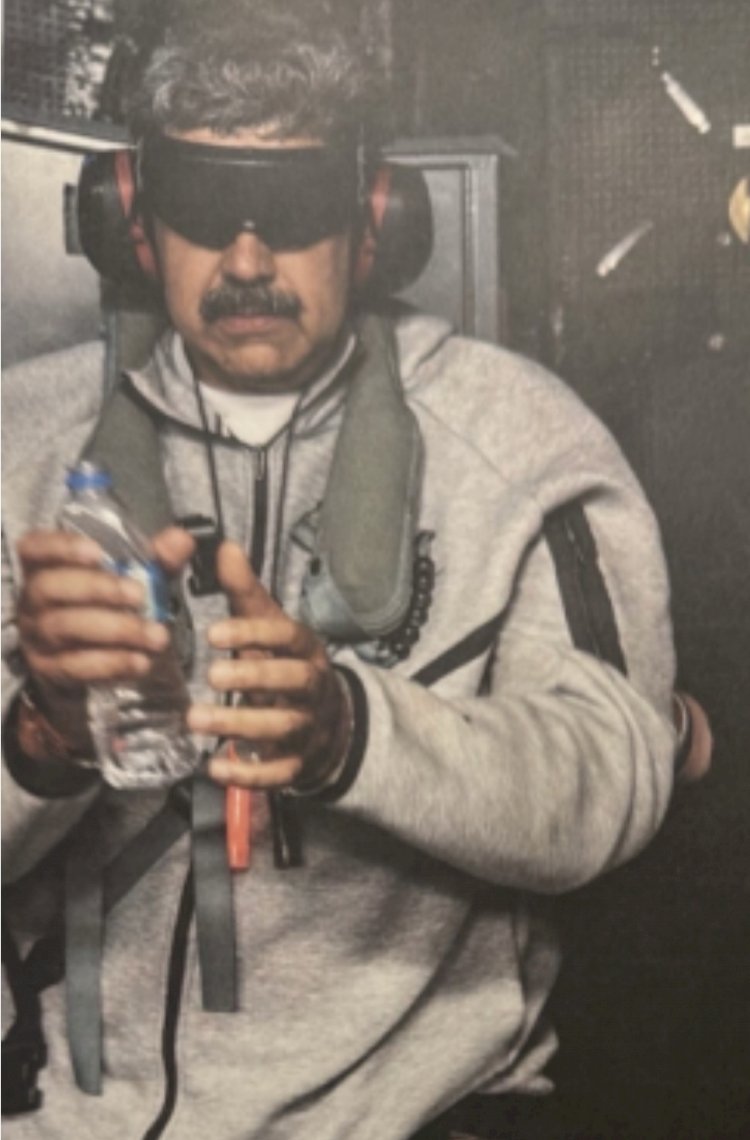
By approximately 4:30 a.m., Maduro and his wife were airlifted from Caracas and transferred to a US naval vessel in the Caribbean, before being flown to the United States later in the day.
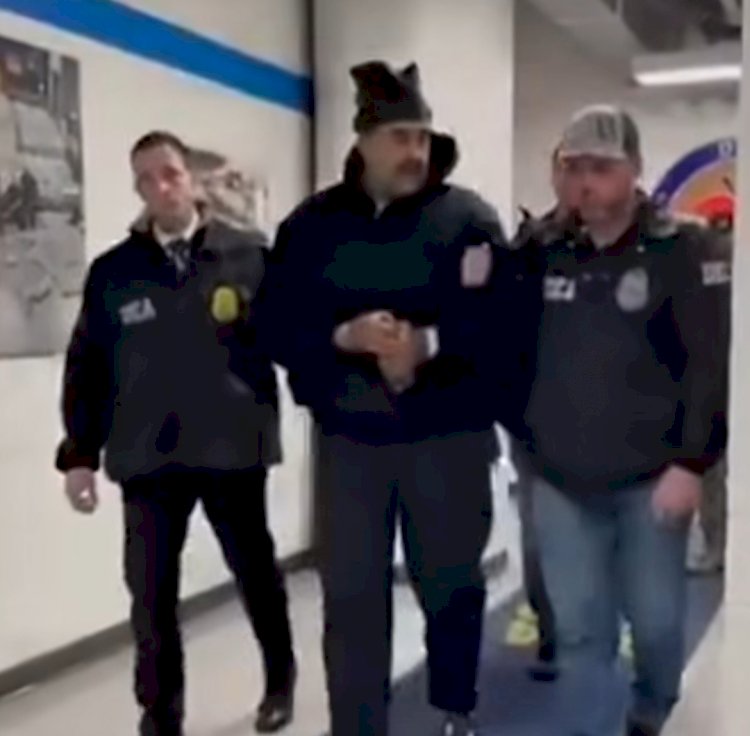
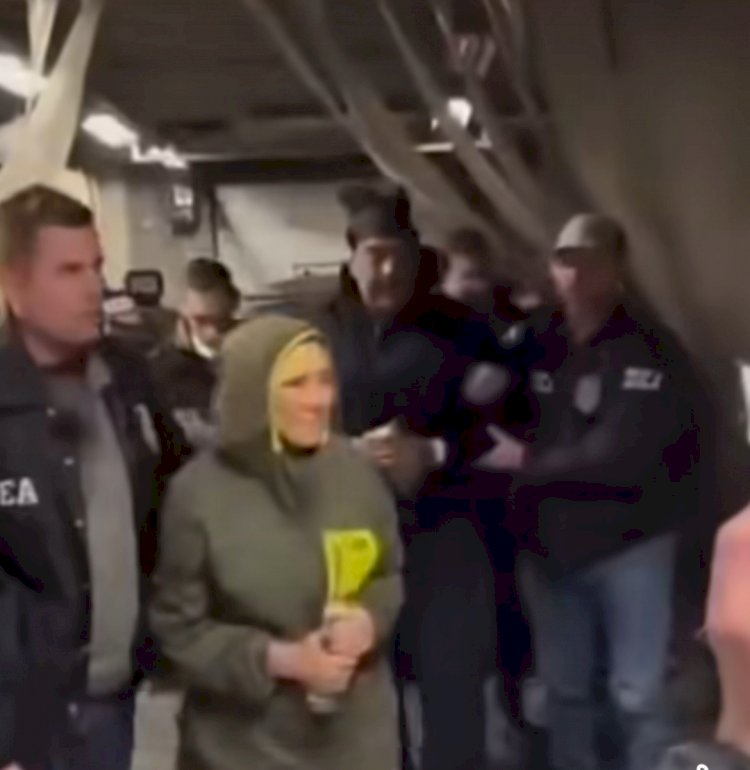
Footage released on Saturday evening showed Maduro arriving at Stewart Air National Guard Base in New York, flanked by FBI agents. He is expected to appear before a federal court in Manhattan to face charges including narco-terrorism and weapons-related offences.
Intelligence groundwork
US officials said the operation relied heavily on intelligence gathered over several months, including satellite surveillance and high-altitude drone missions to map Venezuelan military installations.
Sources familiar with the matter claimed US intelligence agencies had also tracked Maduro’s movements closely in the lead-up to the raid.
“This was a meticulously planned mission,” General Caine said. “It involved cooperation across multiple US and international agencies.”
Political fallout
Washington has long accused Maduro’s administration of operating as a narco-state and aligning with US adversaries. Trump reiterated that position on Saturday, warning Venezuelan officials against retaliation.
“What happened to Maduro can happen to anyone who threatens our security,” he said, adding that the US was prepared to escalate if necessary.
The detention of Maduro now places Venezuela at a critical political crossroads. Analysts warn that his removal after more than 12 years in power could trigger a fragile and uncertain transition, potentially leaving a power vacuum in the oil-rich South American nation.
Regional and international reactions are expected to follow as the situation continues to unfold.