How Naka residents, security agencies are rebuilding trust, ensuring peace in Benue's Gwer West LG
 admin
Aug 30, 2026 11:03
39
0
admin
Aug 30, 2026 11:03
39
0
By Benedicta Aboh
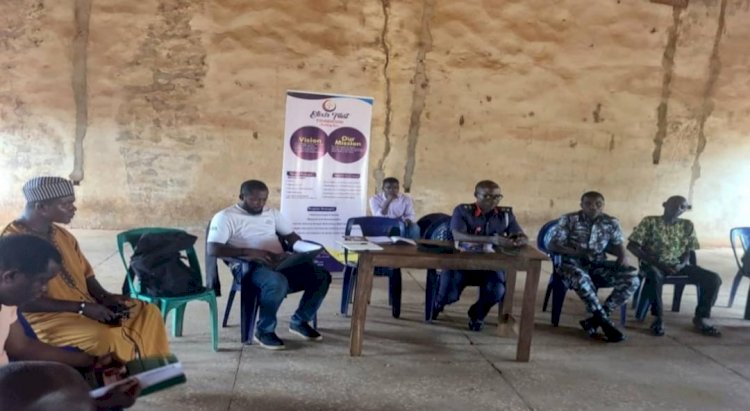
In Naka, the headquarters of Gwer West Local Government Area of Benue State, the monthly gathering around a table may not look like a conventional security operation.
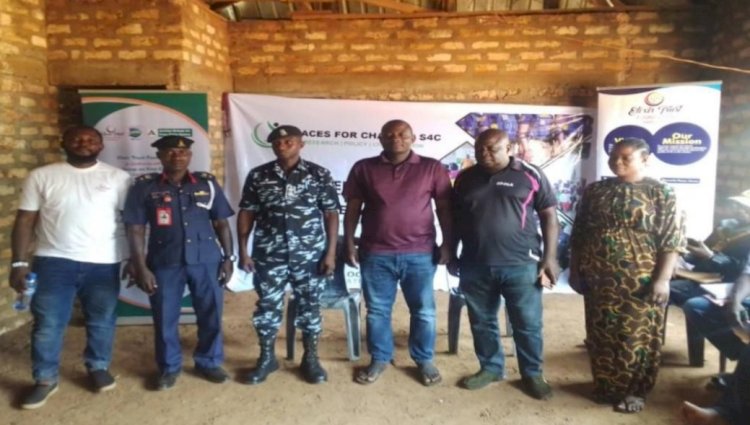
There are no sirens, patrol vehicles or security personnel in combat gear. Instead, community leaders, farmers, youths, women, traditional rulers, religious leaders, civil society representatives and security personnel sit together, talk about their fears and attempt to find solutions to the security problems confronting their communities.
For residents who have endured years of insecurity, the meetings are gradually becoming an important avenue for speaking directly to those responsible for law enforcement and, perhaps more importantly, for making their voices heard.
The meetings are organised under the Divisional Community Policing Committee (DCPC), Naka, established through the People-Centered Public Safety (PCPS) initiative under the Security and Rights Opportunity (SRO) Project.
The project is being implemented by Spaces for Change (S4C), in partnership with Elixir Trust Foundation (ETF), with support from Open Society Foundations (OSF).
Naka, an agricultural and commercial centre serving several surrounding communities, has faced a range of public-safety challenges, including armed robbery, burglary, kidnapping, farmer-herder tensions and attacks affecting farming communities.
The challenges have left residents needing not only protection, but also a stronger relationship with the security institutions expected to protect them.
That is where the DCPC comes in.
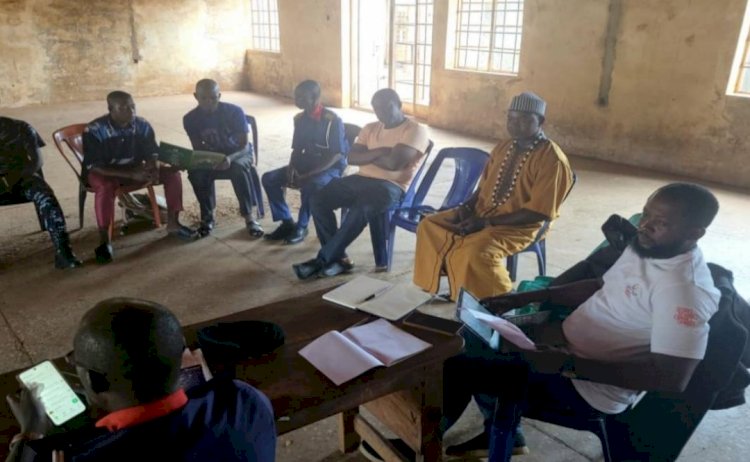
Established as a platform for police-community dialogue, the committee holds monthly meetings where stakeholders discuss emerging threats, exchange information and consider ways of preventing security situations from escalating.
Concerns over suspicious movements, kidnapping, armed robbery, youth involvement in cultism and drug abuse, as well as attacks linked to farmer-herder tensions, have featured prominently in the discussions.
Rather than waiting for a crisis before residents communicate with security agencies, the committee provides a mechanism for early warning and early response.
The approach has also given community members a greater sense of ownership of public safety.
They are encouraged to provide useful information, report suspicious activities and participate in preventing crime while respecting the rule of law.
For the security agencies, the platform offers an opportunity to understand security concerns from the perspective of the people living with them.
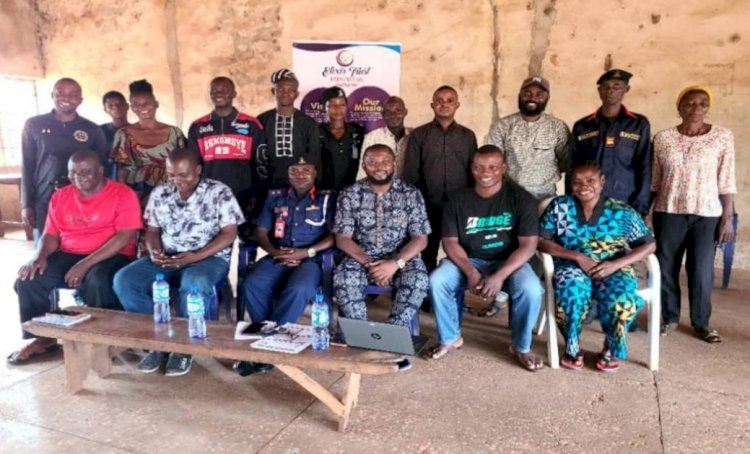
The project organisers believe that such regular interaction can gradually break down mistrust and communication gaps that often undermine effective policing.
But the intervention did not stop at security meetings.
Recognising the central role of young people in the future of the community, the project organisers took the public-safety message to the football field.
The Community Peace Cup was organised to bring youths together through sport while promoting peace, tolerance, teamwork and social cohesion.
The tournament provided young people with an alternative space for constructive engagement at a time when idleness and social vulnerability can expose them to crime, violence, cultism and drug abuse.
On the field, the young players were competitors.
Off the field, they were encouraged to see themselves as partners in building peaceful communities.
The final match between Shining Stars FC and Nagi 11 FC ended with Shining Stars emerging champions.
But the organisers viewed the outcome as bigger than the scoreline.
The tournament provided an opportunity for youths from different backgrounds to interact freely, develop relationships and participate in conversations around peace and community safety.
According to the project organisers, the experience reinforced the idea that sports can serve as an effective entry point for youth peacebuilding when combined with civic education, leadership opportunities and public-safety awareness.
The intervention also took the concerns of the community directly to the police leadership.
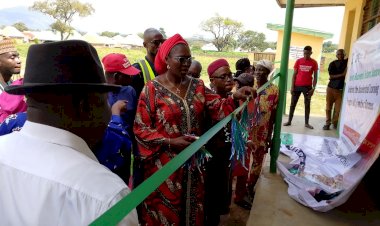
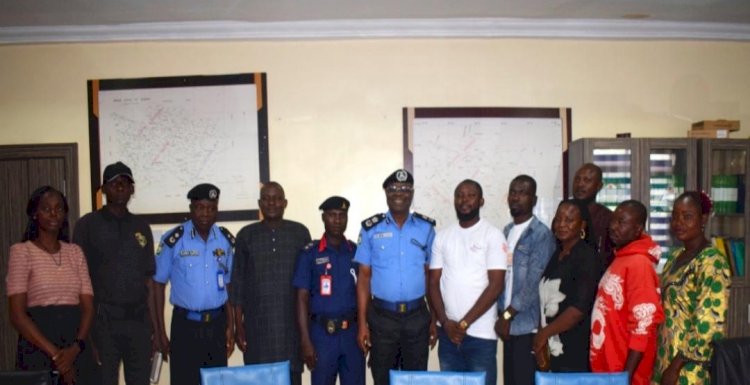
An advocacy visit was made to the Commissioner of Police, Benue State Command, where stakeholders presented community safety concerns and sought stronger institutional support for community policing.
The project team also paid a courtesy visit to the Divisional Police Officer of Naka Division, further strengthening direct engagement between the police, the DCPC and community stakeholders.
The organisers say the activities have collectively improved communication, strengthened police-community relationships and encouraged greater community participation in public safety.
For Naka, the significance of the initiative lies in its simplicity.
Security is no longer being discussed only in police stations or government offices. It is being discussed by farmers, youths, women, traditional leaders and other residents who understand the realities of their communities.
The intervention has also challenged the perception that young people should only be viewed as beneficiaries of security programmes.
Through the Peace Cup, youths have been given an opportunity to become active participants in peacebuilding.
And through the DCPC, residents have been given a seat at the table where security concerns affecting their lives are discussed.
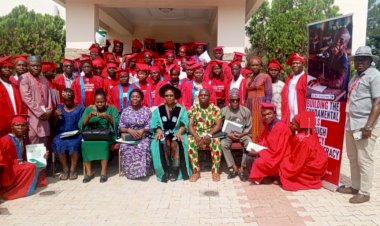
The organisers are, however, calling for the sustainability of the gains through continued monthly meetings, stronger logistical support for community policing structures, training for DCPC members in conflict prevention, intelligence gathering and mediation, and increased participation of women and young people.
They also want stronger collaboration among the police, local government authorities, traditional institutions, civil society organisations and community groups.
For the people of Naka, every month, when residents and police officers sit together to talk rather than wait for trouble to erupt, a small measure of trust is restored.
And every time young people meet on the football field to compete peacefully rather than confront one another, another piece of the community's social fabric is strengthened.
In Naka, therefore, public safety is beginning to look less like a battle between security personnel and the people and more like a partnership between them.